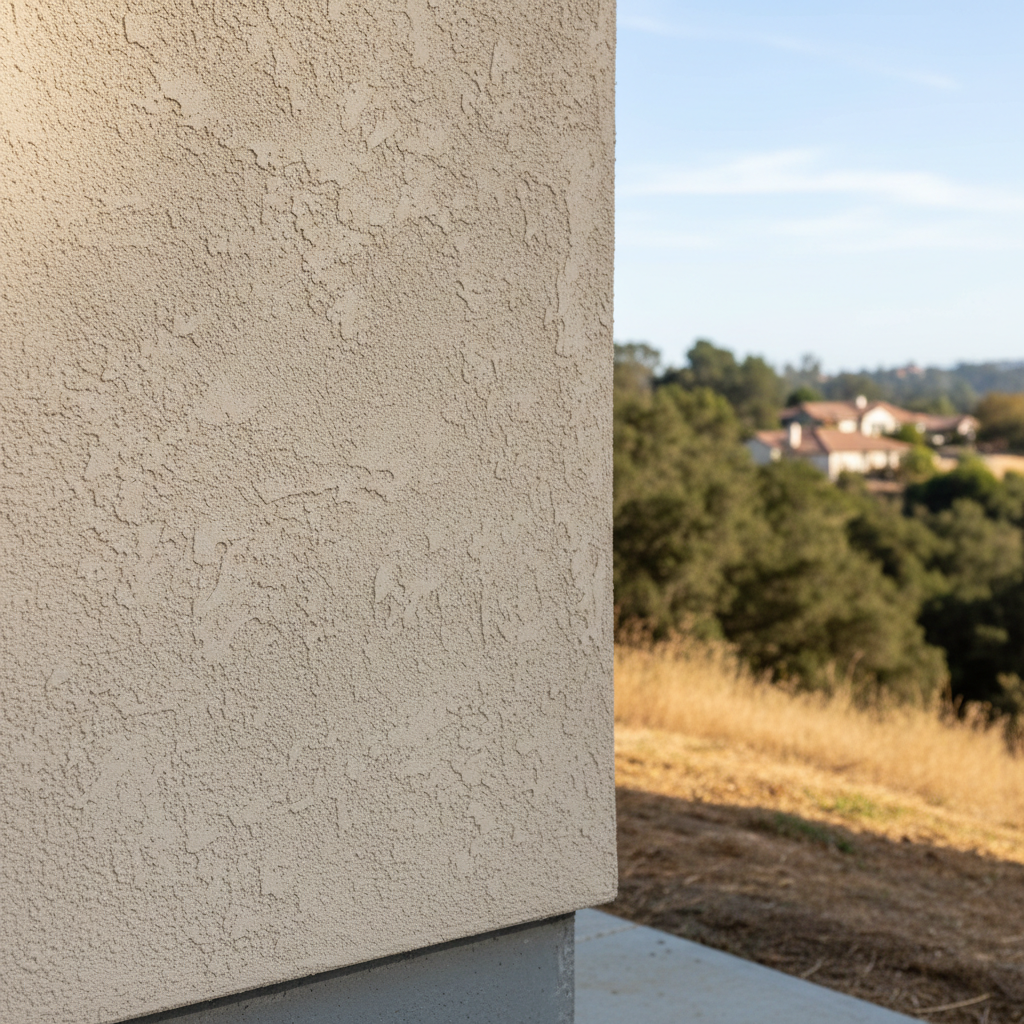
So, you're thinking about new stucco for your house. Maybe you've got some old, cracked siding, or you're building an addition and want that classic, durable finish. It's a great choice, especially here in Redwood City where the weather can be a real mix – hot summers, damp winters. But before you dive in, let's get real about what stucco installation actually involves.
Can You DIY Stucco? (Spoiler: Mostly No)
Look, I'm all for homeowners tackling projects. You can paint a room, build a deck, even install some flooring if you're handy. But stucco? That's a different beast entirely. It's not just mixing cement and slapping it on a wall.
Here's why I generally tell folks to think twice about doing a full stucco install themselves:
- It's heavy work. We're talking about hundreds, sometimes thousands, of pounds of material. Lifting, mixing, applying – it's physically demanding.
- It's a multi-layer system. You've got your moisture barrier, lath, scratch coat, brown coat, and then the finish coat. Each layer has to be applied correctly, at the right thickness, and allowed to cure properly. Miss a step, or rush it, and you're asking for trouble down the line.
- Waterproofing is critical. This is the big one. Stucco is a rain screen, not a waterproof barrier itself. The system behind it – the paper, flashing, weep screeds – that's what keeps water out of your walls. If that's not done perfectly, you'll have leaks, rot, and mold. And trust me, fixing water damage is way more expensive than hiring a pro in the first place. I've seen homes in the Emerald Hills area with beautiful stucco on the outside, but hidden water issues from improper flashing around windows.
- It requires specialized tools and skills. Hawk and trowel work takes practice. Getting a flat, even surface, and then a consistent finish, isn't something you pick up in an afternoon.
Now, can you do some things yourself? Absolutely. If you're just patching a small crack or a minor ding, that's often doable for a handy homeowner. But for a full wall, or new construction, you really want a professional.
Before the Project: What You Need to Know
Okay, so you're leaning towards hiring someone (good call!). What should you be thinking about before we even get to the job site?
- Get multiple bids. Don't just go with the first guy you call. Get at least three quotes. Make sure they're detailed and specify exactly what's included: materials, number of coats, type of lath, flashing details, and cleanup.
- Check references and licenses. This is non-negotiable. Ask for proof of insurance and their contractor's license number. Call their references. A good contractor won't hesitate to provide these.
- Understand the materials. There are different types of stucco systems: traditional three-coat, one-coat, and synthetic (EIFS). Each has its pros and cons. For Redwood City Stucco & Plastering, we often recommend traditional three-coat for its durability and breathability, but we'll discuss the best option for your specific home and budget.
- Plan for access. We'll need space to set up equipment, mix materials, and move around your property. Think about where our trucks will park and if we'll need access to water and power.
During the Project: What to Expect
Once the work starts, it's a pretty structured process. Here's a quick rundown:
- Prep work. This is where we protect your windows, doors, landscaping, and anything else that shouldn't get stucco on it. We'll also make sure the substrate is ready for the new material.
- Lath and paper. We'll install the moisture barrier (usually two layers of building paper) and then the metal lath. This is what the stucco adheres to. Proper stapling and overlap are crucial here.
- Scratch coat. This is the first layer of stucco. It's pushed into the lath and then