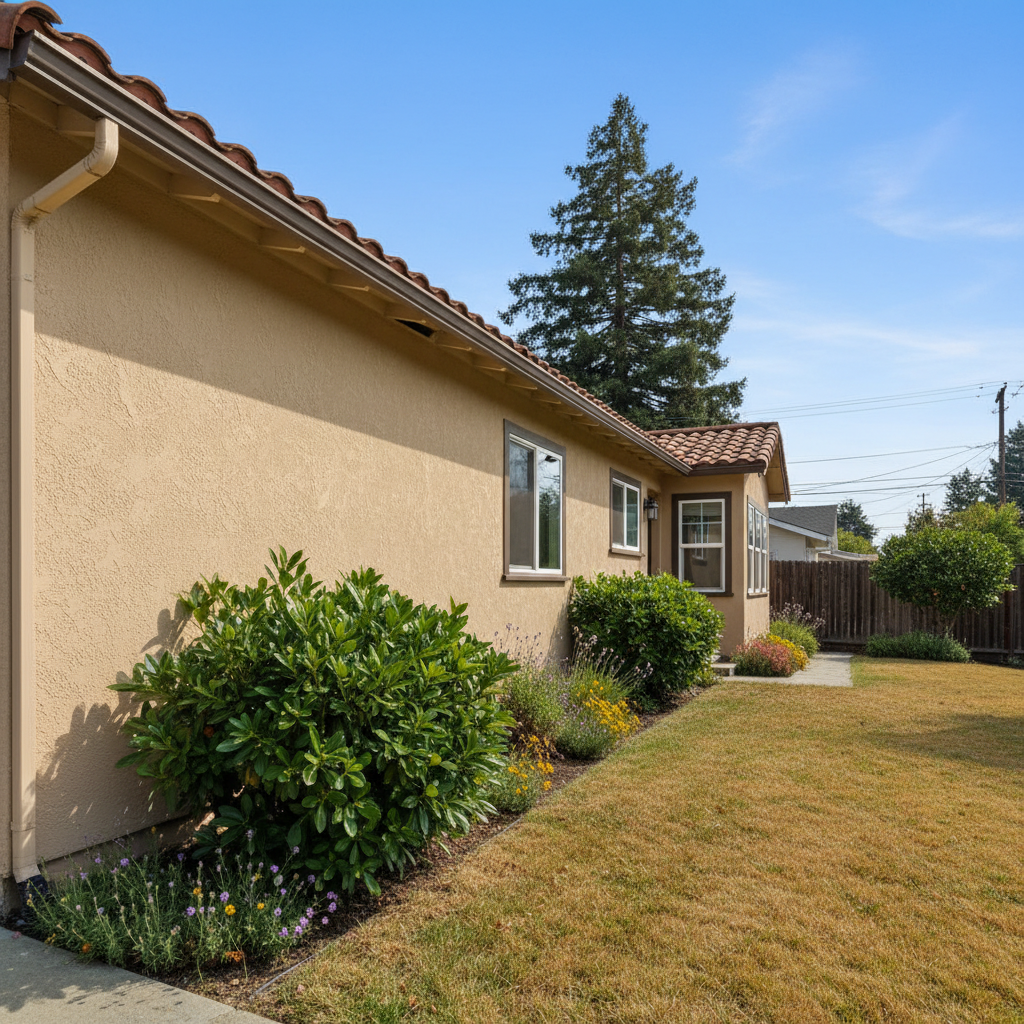
So, you just put a beautiful new coat of paint on your stucco, or maybe you bought a house with a fresh exterior. Awesome! But how do you keep it looking good and actually protecting your home for years to come? It's not just about curb appeal, you know; it's about keeping your investment safe.
Making Your Stucco Paint Last Longer
The biggest thing you can do to extend the life of your stucco paint is simply to keep it clean. Our Redwood City weather, with its dry summers and wet winters, really throws a lot of dust, pollen, and even some mold spores onto your walls. A gentle wash once a year can make a huge difference. Just don't go blasting it with a super high-pressure washer; that can actually damage the stucco or even strip off paint. Usually, a garden hose with a spray nozzle, a soft brush or sponge, and maybe some mild detergent is all you'll need. Think of it like washing your car, but for your house.
Good drainage is another crucial point. Make sure your gutters are clean and sending water away from your foundation. If water splashes up from the ground onto your stucco all the time, it'll wear down the paint faster and could lead to bigger moisture problems later on. Check your sprinklers too – they shouldn't be hitting your stucco walls regularly. That constant dampness? It's just asking for mildew and paint failure.
Simple Maintenance Checks You Can Do
You don't need to be a stucco expert to spot potential trouble. Just take a walk around your house every few months, especially after a big rain or a windy spell. Here's what I always tell people to look for:
- Cracks: Stucco is tough, but tiny hairline cracks can pop up. If you see small, non-structural cracks, those are usually pretty easy to fix with an elastomeric patch or sealant before they get worse.
- Discoloration or Stains: Dark spots? Greenish areas? That's often mildew or algae. Catch it early, and you can usually scrub it off. If a stain keeps coming back, though, it might mean there's a deeper moisture issue.
- Peeling or Bubbling Paint: This is a clear sign the paint isn't sticking right, usually because moisture is getting behind it. Don't ignore this! It means your stucco isn't protected anymore, and that's not good.
- Efflorescence: This looks like a white, powdery film on the surface. It's mineral salts coming out from inside the stucco or masonry, often a sign that water is getting in somewhere.
- Loose or Missing Stucco: While this isn't as common for just paint maintenance, if you see chunks of stucco missing or loose, that's a structural problem that needs immediate attention.
Pay extra attention to areas around windows, doors, and where different materials meet. Those are common spots for water to sneak in.
When to Call a Pro (Like Us!)
Sure, DIY maintenance is great for making paint last, but sometimes you absolutely need to bring in the professionals. If you're seeing any of these things, don't hesitate to pick up the phone:
- Lots of Cracks: If cracks are wide, deep, or spreading out like a spiderweb, it could mean structural movement or serious water damage.
- Moisture Problems That Won't Quit: You've cleaned off mildew, but it keeps reappearing in the same spot, or you notice dampness inside your home. This points to a leak or water getting in that needs a proper diagnosis.
- Big Areas of Peeling or Bubbling Paint: If it's more than just a small patch, you're probably looking at a widespread adhesion problem or moisture issue that needs more than a simple touch-up.
- Stucco Delamination or Spalling: This happens when the stucco layers start separating or flaking off. It's a serious sign that the material is failing.
- You're Just Not Sure: If you see something and you're not confident about what it is or how to fix it, give us a call. It's always better to get an expert opinion early than to let a small problem turn into a huge, expensive repair.
Here at Redwood City Stucco & Plastering, we've truly seen it all, from the older homes in the Mount Carmel neighborhood to the newer builds near the Bay. We really understand how our local conditions here affect your home's exterior. Taking a little time for maintenance now can save you a lot of headaches and money down the road. Keep an eye on your stucco, and it'll keep protecting your home beautifully.