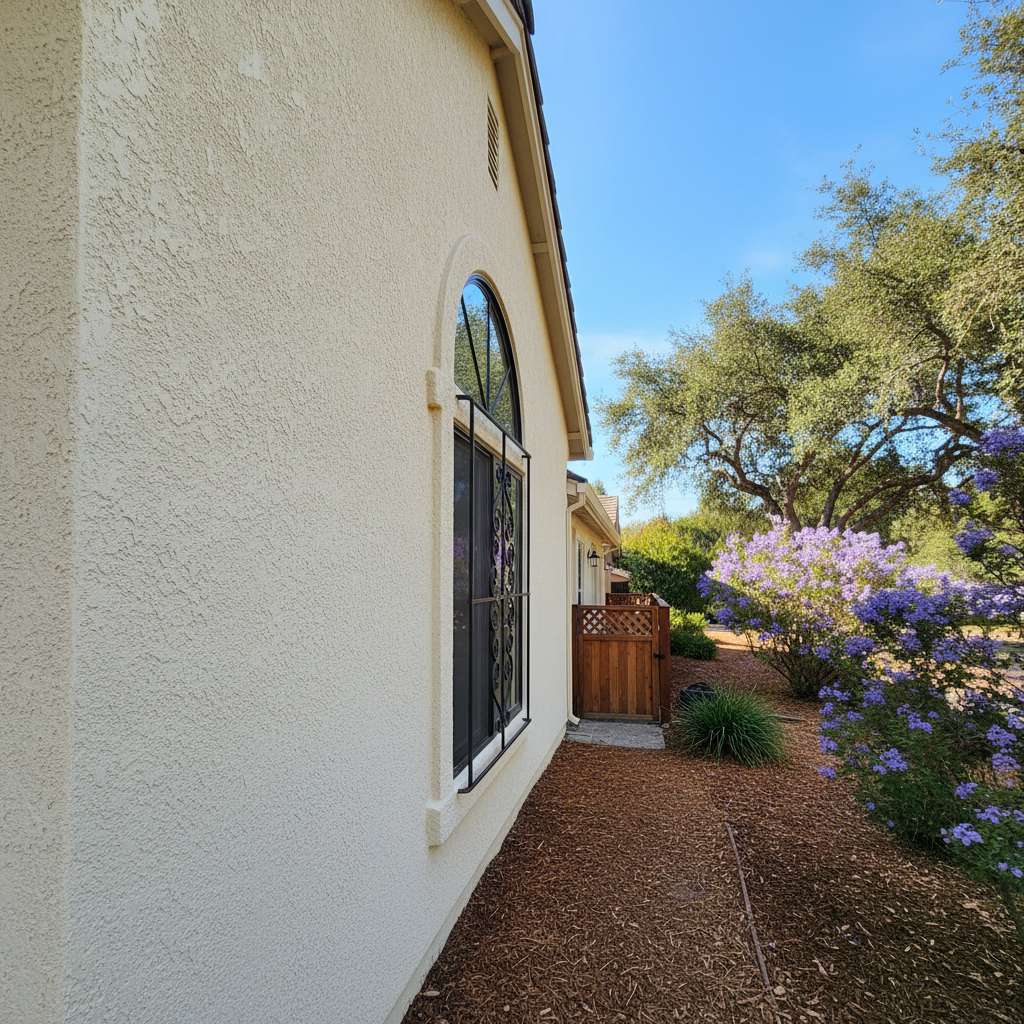
So, you've got EIFS (Exterior Insulation and Finish System) on your building here in Redwood City. That's a smart choice for energy efficiency and a clean, modern look, no doubt. But just like anything else, it's not a 'set it and forget it' situation. You've gotta give it a little love to make sure it lasts and keeps doing its job. I've seen EIFS installations around here that look fantastic decades later, and others that, well, didn't get the attention they needed.
Extending the Life of Your EIFS: It's All About Protection
The biggest thing you can do to extend the life of your EIFS is to protect it from water intrusion and physical damage. EIFS is great, but it's not invincible. Our climate here, with those long, dry summers and then the occasional heavy winter rains, means you need to be proactive. Those dry spells can make materials brittle, and then the rain hits, looking for any tiny crack to get in. It's a real one-two punch.
- Manage your water: This is huge. Make sure your gutters are clean and draining properly, directing water away from the walls. Check those downspouts; if they're dumping water right onto your foundation or splashing back onto the EIFS, that's a problem.
- Trim those trees: Overhanging branches can rub against the EIFS during windy days, causing abrasion. They also drop leaves and debris that can hold moisture against the surface. Keep them trimmed back a good distance.
- Watch for impact: EIFS has a finish coat that can be dinged or punctured. Think about where kids play, where trash cans get dragged, or even where you might lean a ladder. If you know a spot is vulnerable, consider adding corner guards or a tougher base coat during installation.
- Sealants are key: Pay attention to the caulking around windows, doors, and any penetrations like dryer vents or hose bibs. These sealants are your first line of defense against water getting behind the EIFS. They don't last forever, especially with our sun exposure.
What Regular Maintenance Looks Like
You don't need to be out there every weekend, but a good once-a-year check-up, maybe twice if we've had a particularly wet winter or windy season, will save you a lot of headaches and money down the road.
- Clean it up: EIFS can get dirty, especially on the north-facing sides where algae or mildew might grow because they don't get as much sun. A gentle cleaning with a soft brush and a mild detergent solution (like dish soap and water) is usually all it takes. Rinse thoroughly with a garden hose – no high-pressure washers! Those can damage the finish.
- Inspect those seals: Walk around your building and look closely at all the caulk joints. Are they cracked? Pulling away? Hard and brittle? If so, they need to be removed and replaced. This is often an easy DIY job if you're comfortable with a caulk gun.
- Look for cracks: Small hairline cracks can happen. If they're just in the finish coat and don't seem to go deeper, they might not be an immediate emergency, but keep an eye on them. Larger cracks, or any that seem to be expanding, are a bigger deal.
- Check for moisture: After a rain, look for any areas that seem to stay wet longer than others. Sometimes, you'll see staining or discoloration that indicates water is getting in somewhere it shouldn't.
Warning Signs You've Got a Problem
Don't ignore these. If you see any of these, it's time to investigate further, and usually, that means calling in a pro like us at Redwood City Stucco & Plastering.
- Bulges or soft spots: If you press on the EIFS and it feels soft, spongy, or you see a bulge, that's a classic sign of water trapped behind the system. This is serious and needs immediate attention.
- Staining or discoloration: Dark streaks, water marks, or general discoloration that doesn't wash off could mean water is getting in and carrying dirt or minerals with it.
- Cracks that are wide or expanding: Anything wider than a credit card, or cracks that seem to be growing, are a red flag. These can be entry points for water.
- Pest intrusion: Birds or insects sometimes try to peck or chew their way into EIFS, especially if there's moisture or a void behind it. If you see holes, get it checked out.
- Failing sealants everywhere: If all your caulk joints are failing at once, it's not just an aesthetic issue; it's an open invitation for water.
When to Call a Professional
Look, I'm a big believer in homeowners doing what they can, but some things are best left to the experts. If you see any of those serious warning signs – bulges, widespread cracking, or persistent moisture issues – don't try to patch it yourself with a tube of caulk and hope for the best. That can often make the problem worse or just hide it until it's a much bigger, more expensive repair.
You should also call us if you're not sure what you're looking at, or if you just don't have the time or ability to do the regular maintenance yourself. We can do a thorough inspection, identify any potential issues, and make sure your EIFS is performing as it should. Especially with our soil conditions here in Redwood City, which can shift and sometimes put stress on foundations and exteriors, a professional eye can spot things you might miss. We can repair damage, re-caulk, and ensure your EIFS continues to protect and insulate your building for years to come.