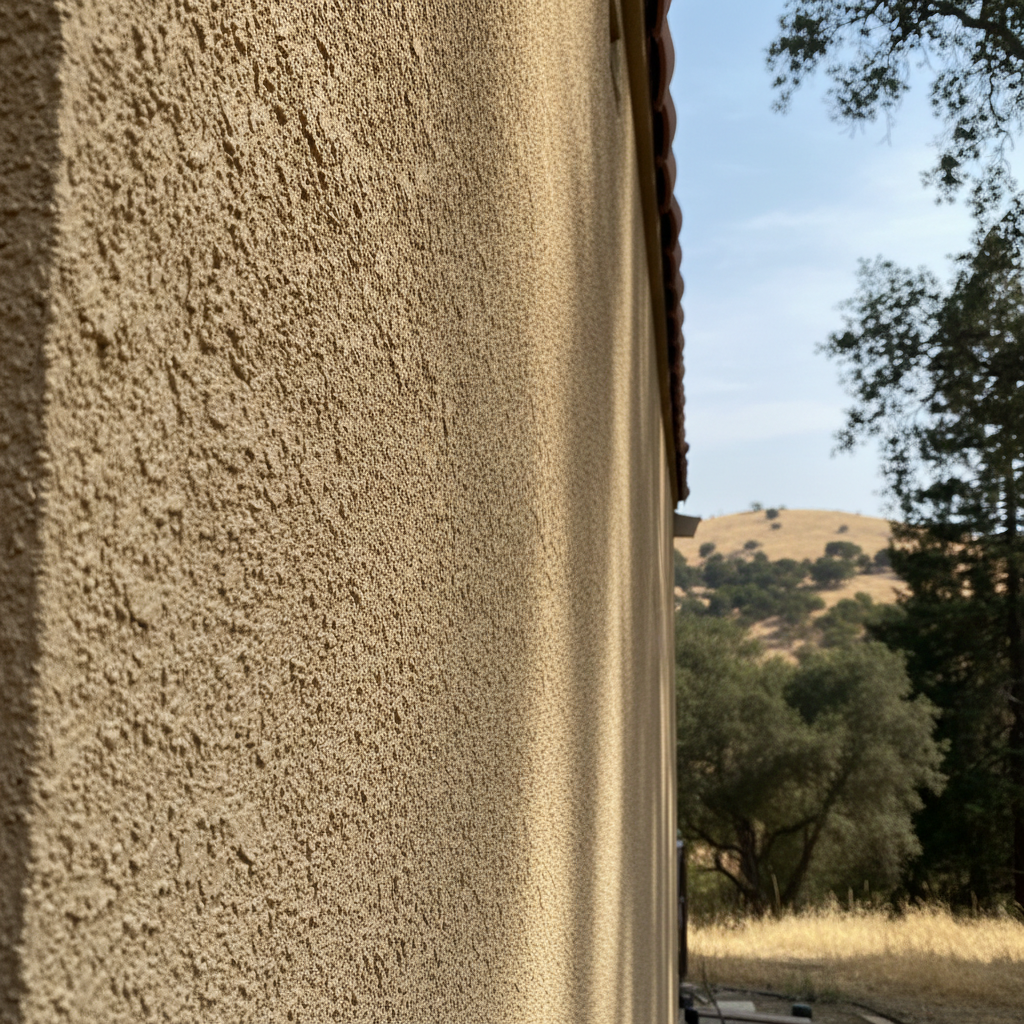
Think your stucco might have a problem? Don't just cross your fingers and hope it goes away. Stucco's tough, sure, but it's not indestructible, especially with our Redwood City weather. Those dry summers followed by wet winters? They really stress an exterior. Knowing what to look for can save you a ton of headache and money down the line. I've seen too many small issues turn into big, expensive repairs because homeowners didn't catch them early. This isn't about making you a stucco expert overnight, but it will give you the tools to do a solid first pass.
Before You Start Your Inspection
Before you even step outside, grab a few things. You'll want a notepad and pen, maybe a camera or your phone for pictures, and a pair of binoculars if you have them. A small flashlight can be handy for peeking into shadowed spots. Most importantly, set aside some time when you won't feel rushed. This isn't a five-minute job. You're looking for details, and that takes patience.
Think about your home's history for a moment. Has it had any leaks recently? Did any new cracks pop up after a minor earthquake, which, let's be honest, we get around here from time to time? Knowing these things helps you focus your inspection. Also, if you know when your stucco was last redone or significantly repaired, that's good context too. Stucco can last for decades, but like anything, it needs a little love and attention.
What to Look For: Your DIY Stucco Checklist
Alright, let's get out there. Start by walking around your entire house, looking at the stucco from a distance first. You're just looking for anything that seems 'off.' Then, get closer. Here's what I tell folks to keep an eye out for:
- Cracks: Not all cracks are bad. Hairline cracks, especially around windows or doors, are often just cosmetic. But look for cracks wider than a credit card, or ones that run horizontally for a long distance, or form a spiderweb pattern. Those can signal bigger issues, like structural movement or water getting in. Pay extra attention to areas where different materials meet, like where stucco meets trim or the foundation.
- Stains and Discoloration: Dark streaks, especially under windows, near the roofline, or around vents, are a huge red flag. That usually means water is getting in and running down behind the stucco. Green or black spots could be mold or mildew, which points to persistent moisture.
- Bulges or Soft Spots: Gently press on the stucco in a few places. Does it feel soft or spongy? Do you see any areas that look like they're bulging out? This strongly indicates water damage underneath the surface, and that's definitely something you want a pro to look at ASAP.
- Missing or Damaged Flashing: Flashing is that metal or plastic barrier designed to direct water away from vulnerable areas, like around windows, doors, and roof intersections. If it's bent, missing, or improperly installed, water's going to find its way in.
- Caulking Condition: Check the caulk around all penetrations – windows, doors, pipes, vents. Is it cracked, shrunken, or missing? Good caulk is your first line of defense against water.
- Drainage Issues: Look at the ground around your foundation. Is water pooling against the stucco? Are your gutters overflowing or clogged? Poor drainage can lead to moisture problems at the base of your walls. This is especially true for homes built on the hillsides around Redwood City, where water runoff needs careful management.
When to Call a Pro (That's Us!)
You've done your walk-around. You've got your notes and pictures. Now what? If you see a few small hairline cracks or some minor discoloration you can clean off, you might be able to handle it yourself with a little patching or cleaning. But if you find any of the following, don't hesitate. Pick up the phone and call us at Redwood City Stucco & Plastering:
- Wide or Patterned Cracks: Anything wider than a credit card, or cracks that form a starburst or horizontal pattern.
- Soft or Bulging Stucco: This almost always means water damage behind the surface.
- Persistent Stains: Especially dark streaks or significant mold/mildew that keeps coming back.
- Visible Water Intrusion: If you see water actually dripping from a crack, or feel dampness on the interior walls.
- Damaged Flashing: If you're not sure how to fix it, or if it looks like a major repair.
- Any Gut Feeling: Honestly, if something just doesn't feel right, trust your gut. It's better to have a professional take a look and tell you it's nothing than to ignore it and face a much larger repair later.
We'll come out, do a thorough inspection, and give you an honest assessment of what's going on. We've got the tools and experience to see what's happening beneath the surface, which you just can't do with a visual inspection alone. Don't let a small stucco issue become a major headache for your home.