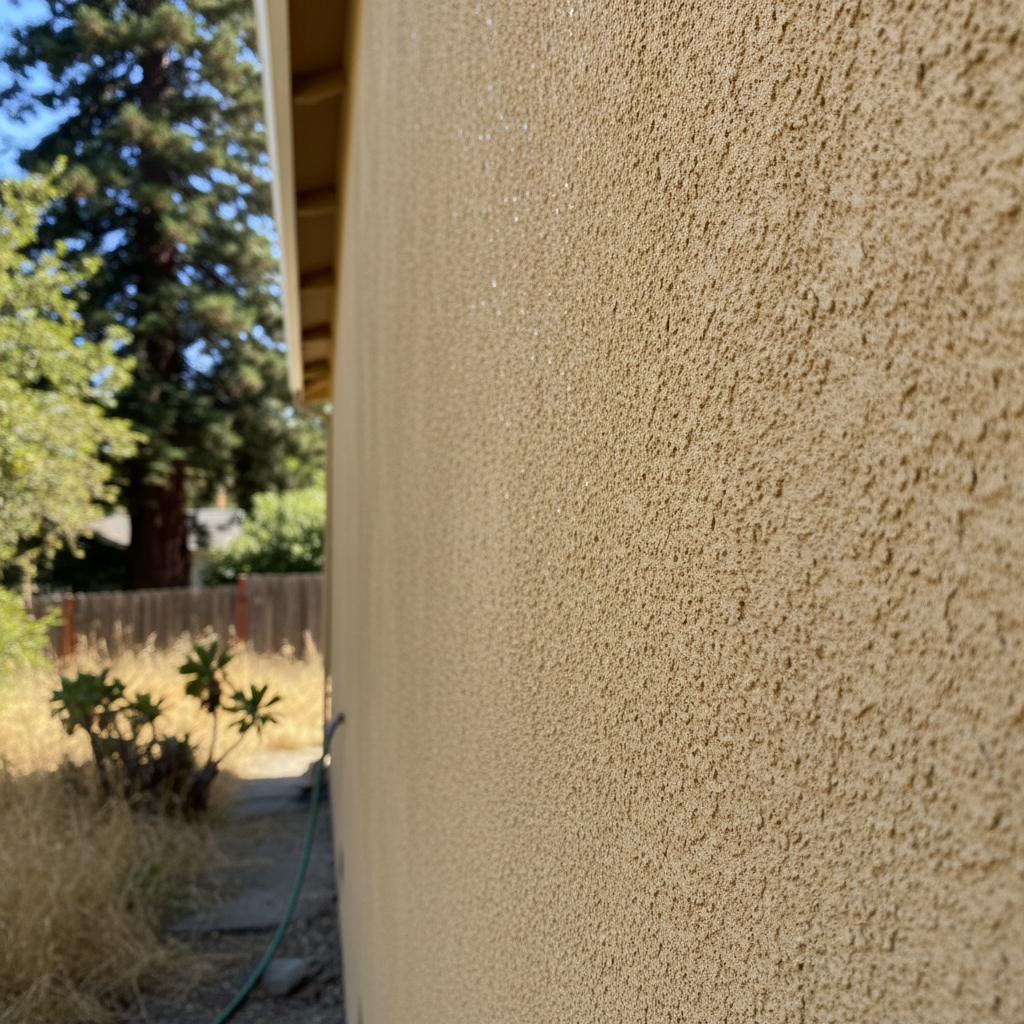
What's the biggest difference between residential and commercial stucco?
Honestly, the materials aren't all that different. You're still looking at cement, sand, lime, and water, applied in layers, just like always. The real difference usually comes down to scale, the engineering involved, and code requirements. Commercial buildings, especially bigger ones or those with lots of foot traffic, often have stricter fire ratings, structural demands, and accessibility standards to meet. This means the stucco system might need different types of lath, thicker applications, or specific fire-rated finishes. We're also frequently dealing with much larger wall expanses, more complex architectural details, and tighter deadlines on commercial jobs. It's not just slapping stucco on a wall; it's integrating with a whole building system, you know?
How durable is stucco on a commercial building, really?
Stucco is incredibly durable, especially when it's put in right. That's not just a sales pitch; it's a fact. I've seen stucco buildings right here in Redwood City, even down by the bay where we get that salt air and moisture, stand strong for decades with hardly any issues. It’s a rigid, impact-resistant surface that holds up well against everyday wear and tear, and even some pretty rough weather. Think about it: it's essentially a hardened cement-based skin. It doesn't rot like wood, it's not as prone to denting as metal siding, and it offers excellent fire resistance. The key to its longevity, though, is proper installation – making sure the substrate is prepped perfectly, the flashing is done right around openings, and the mix is consistent. If you cut corners, you'll pay for it later, just like with anything else in construction.
What kind of maintenance does commercial stucco need?
Compared to a lot of other exterior finishes, stucco is pretty low maintenance. You're not painting it every few years like wood siding, thank goodness. The main things you need to do are regular inspections and cleaning. Walk around your building once a year, or have someone do it for you. Look for cracks, especially around windows and doors, or any signs of moisture intrusion. If you see small hairline cracks, they're often just surface-level and not a big deal. But anything wider than a credit card or with water staining definitely needs attention. As for cleaning, a good power wash every couple of years can do wonders to remove dirt, grime, and any mildew that might build up, especially on north-facing walls that don't get much sun. Just make sure you're not using too high a pressure or getting too close, as you can damage the finish.
Can you repair damaged commercial stucco, or does it need full replacement?
Most of the time, yes, you can absolutely repair damaged stucco. A full replacement is usually only necessary if the damage is widespread, structural, or if there are significant underlying issues like rot in the sheathing that can't be isolated. For things like cracks, holes, or localized impact damage, we can patch it up. The trick with repairs is matching the existing texture and color. Stucco isn't like paint where you just grab a swatch from the hardware store. The sand, the finish coat, even the way it was troweled on originally – it all plays a part. A good stucco contractor, like us at Redwood City Stucco & Plastering, knows how to blend those repairs so they're practically invisible. It takes skill and experience, but it saves you a lot of money compared to redoing an entire wall.
How does stucco perform in Redwood City's climate?
Stucco performs really well here. Our climate, with its dry summers and mild, wet winters, is actually quite favorable for stucco. It handles the temperature swings without much fuss. The biggest thing we have to watch out for, like with any exterior, is moisture management during those winter rains. Proper flashing around windows, doors, and rooflines is non-negotiable, period. We also have some areas, like those older homes in the Mount Carmel neighborhood, where foundations can shift a bit over time due to soil conditions. This can sometimes lead to stress cracks in stucco, but that's something we look for and address during installation or repairs. Overall, it's a fantastic choice for commercial buildings in our area.
Is stucco an energy-efficient choice for commercial buildings?
Yes, it can be very energy-efficient. Stucco itself has some inherent thermal mass, meaning it can absorb and slowly release heat, which helps moderate indoor temperatures. But its real energy-saving power comes when it's part of an Exterior Insulation and Finish System (EIFS) or when applied over continuous insulation. EIFS, for example, incorporates a layer of rigid insulation directly onto the exterior sheathing, then the stucco finish goes over that. This creates a thermal break, significantly reducing heat transfer through the walls. It means your HVAC system doesn't have to work as hard to keep your building cool in the summer or warm in the winter, leading to lower energy bills. It's definitely something to consider if energy efficiency is a priority for your commercial project.